Septic maintenance contracts in San Antonio, TX
Two-year maintenance contracts between you and Elite Septic, for residential and commercial customers. We do the inspections on your contract, so problems get caught while they are still small.
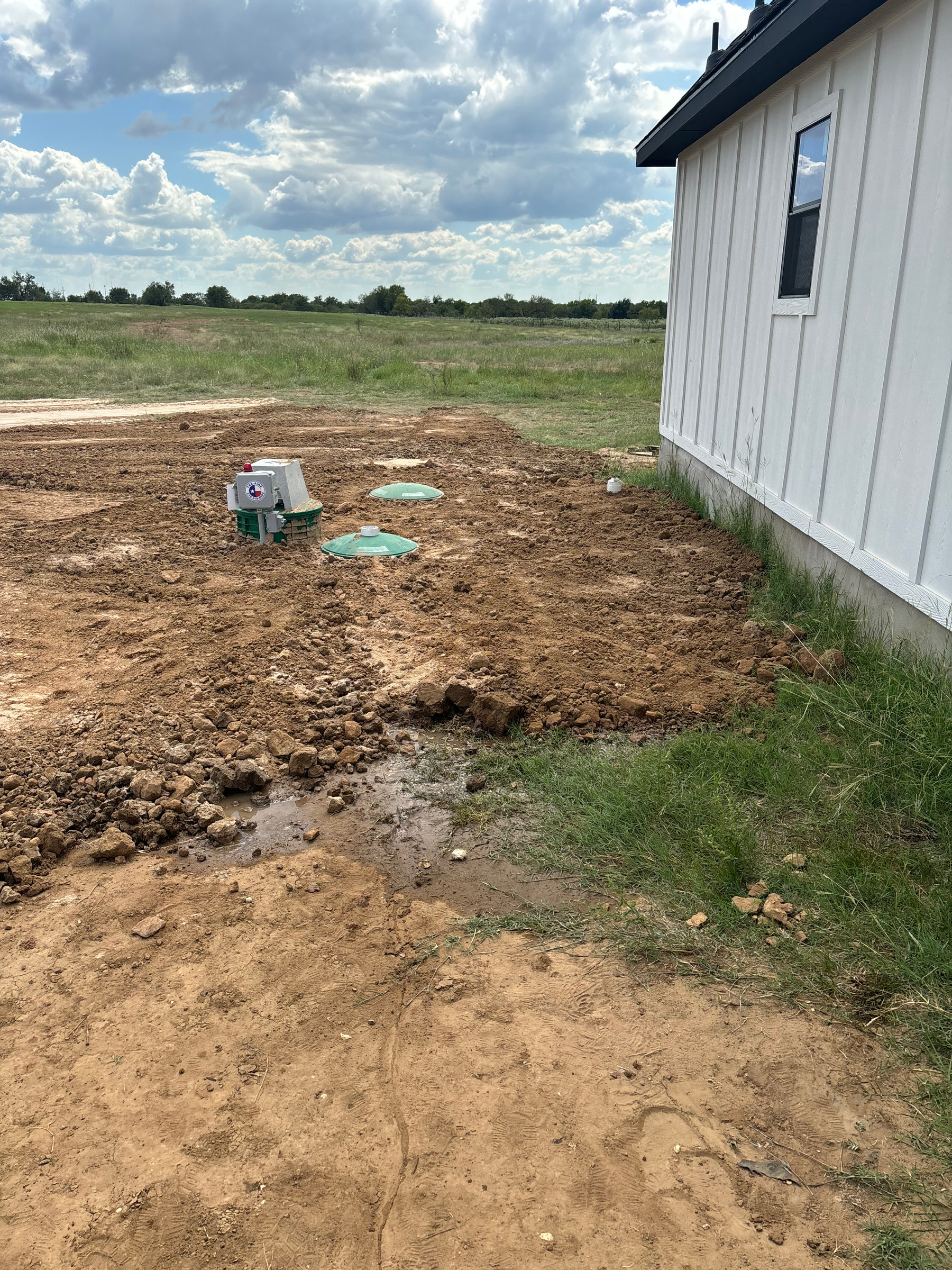
What a maintenance contract is
A two-year agreement between you and Elite Septic. The visits are on the calendar, so nobody has to remember when the system was last looked at.
Homes and businesses both qualify. Call and we will go over what your system needs.
Aerobic systems
Spray and drip systems run on an air pump, a control panel and a disinfection unit. The EPA's advice: "A service contract is important since alternative systems have mechanized parts," and "Regular life-time maintenance should be expected."
Conventional systems
Fewer parts, but the tank still fills with solids. The EPA says the average household system should be inspected at least every 3 years by a septic professional, and tanks are typically pumped every 3 to 5 years, depending on household size, water use and tank size.
What a service visit looks at
On an aerobic system, a visit generally works through the parts that keep it treating water.
Aerator
The air pump that feeds oxygen into the tank.
Control panel and alarm
The timer, the lights and the alarm that warns of trouble.
Disinfection
The chlorinator and its supply, before water leaves the system.
Spray heads or drip lines
That water goes out where it should, and evenly.
Tank levels
How much sludge has built up, and whether pumping is due.
Warning signs not to ignore
If you notice one of these between visits, call your service company. With an alarm, that is the first step every time.
Call (210) 859-6014The alarm goes off
A light or buzzer on the control panel.
Slow drains
Sinks, tubs and toilets that drain slowly or gurgle.
Odors
A sewage smell in the house, the yard or near the spray area.
Soggy ground
Standing water or wet patches over the tank or field.
Quiet aerator
No hum from the air pump when it should be running.
Spray heads not working
Heads that don't pop up, or spray in the wrong place.
Looking after your system between visits
Keep spray heads clear
Mow and trim around them, and don't move or bury them.
Use the right disinfectant
Use only the disinfectant your system is made for. Our FAQ explains which tablets.
Leave the power on
An aerobic system needs its aerator running to treat the water.
Stay off the drainfield
Don't park or drive on it. The EPA advises keeping vehicles off.
Mind the trees and rain water
Plant trees far enough away to keep roots out, and send roof drains and sump pumps away from the field.
Watch what goes down the drain
No wipes, grease or chemicals. Spread laundry loads out over the week.
What Texas requires
For aerobic and other advanced systems, the Texas Commission on Environmental Quality (TCEQ) sets these rules. In plain words:
- The first two years. A new aerobic system comes with an initial two-year service policy, starting when the system is first used (for a new home, the builder's sale date).
- After that. A maintenance contract keeps the inspections on schedule. TCEQ says the contract must be with a licensed maintenance provider.
- How often. Under a maintenance contract, an aerobic system is inspected at least once every four months, and spray systems are tested for chlorine residual or fecal coliform at each visit.
- Reports. The maintenance company reports to the permitting authority and the owner within 14 days.
- The owner's part. When a part of the system is not working properly, TCEQ says the property owner must have it repaired. Tablet chlorinators use calcium hypochlorite labeled for wastewater; TCEQ: "DO NOT use swimming pool chlorine tablets in your disinfection system."
Some counties and other permitting authorities have stricter rules. Your permitting authority can tell you what applies to your property. Source: TCEQ: Maintenance of On-Site Sewage Facilities.
Aerobic questions?
Whether a new system's maintenance is included, and how often it is inspected.
Read the FAQRequest a contract quote
Tell us what kind of system you have and where it is.